

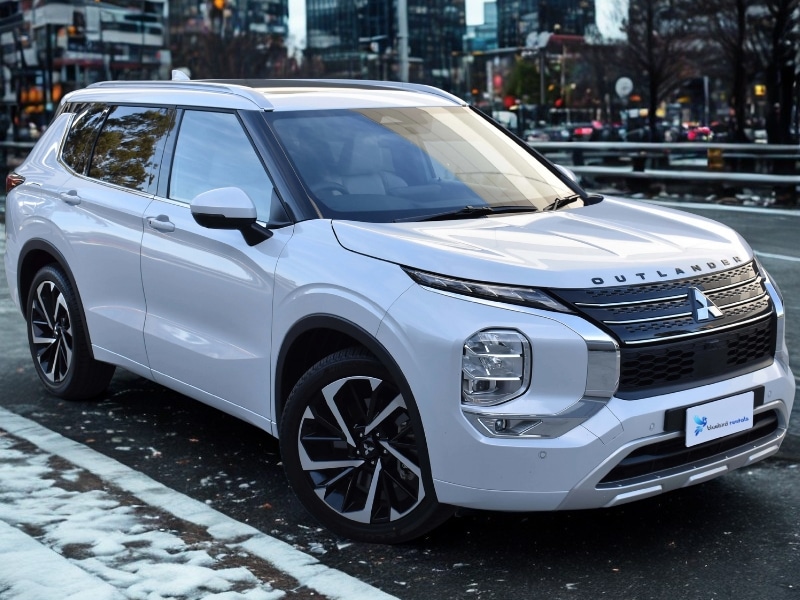
Choosing the best car rental for Uber drivers means selecting a vehicle and rental plan that balances affordability, reliability, flexibility and compliance with Uber’s standards. For someone driving rideshare each day, a car that offers low maintenance downtime, fair pricing and rental terms that match your schedule can make all the difference to your take‑home pay. You need comfort, efficiency and access to support if issues arise. Then you also benefit from transparent rental packages that include servicing, insurance and flexibility. This article explores car rental for Uber drivers and helps you decide on the option that suits you best.
Why does choosing the right car rental for Uber drivers matter?
Choosing the right rental arrangement matters because it affects your earnings, comfort and compliance while driving for Uber. Here are the key reasons to weigh your rental choice carefully:
- Selecting a reliable vehicle with low downtime ensures you spend more hours driving instead of waiting for repairs or replacements — vital for consistent earnings.
- A well‑matched rental plan can deliver predictable costs and payment structure, helping you budget fuel, maintenance and other expenses more easily.
- Meeting vehicle standards and having proper documentation keeps you authorised to drive — preventing sudden cancellations or deactivations.
- Good rental arrangements reduce stress and leave you confident that the vehicle meets safety and comfort expectations, making long shifts more manageable.
Making the right rental choice directly shapes your success as a rideshare driver. The better the fit between your car, budget, and work style, the more efficient and stress-free your driving experience becomes.
What should Uber drivers look for in a rental vehicle?
A suitable rental vehicle for Uber must meet criteria for comfort, efficiency, and legality under rideshare rules. Here are the specific vehicle qualities you should prioritise:
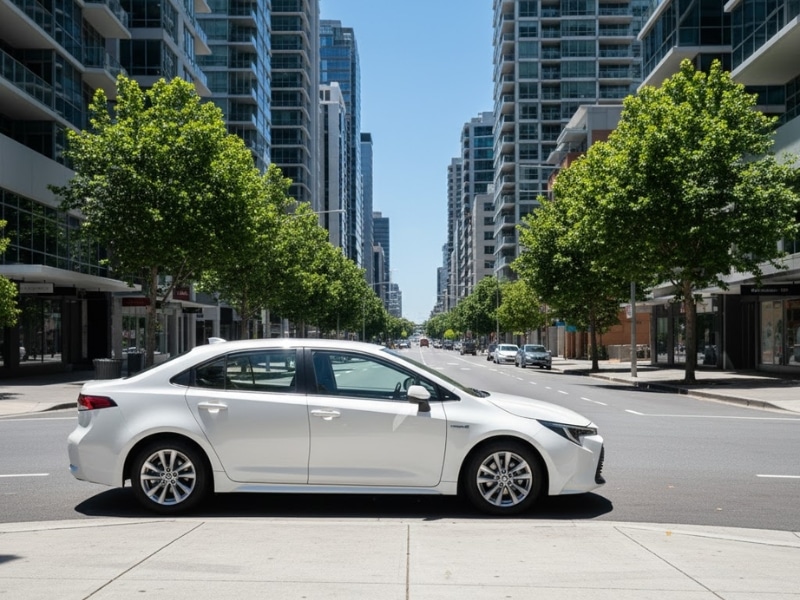
- Smooth fuel efficiency or hybrid‑equivalent consumption to save on running costs over long hours on the road.
- Sufficient interior space and comfort for passengers, including ride stability and smooth suspension.
- Modest daily or weekly mileage allowances that align with your expected rideshare hours to avoid overage charges.
- A clean service history and recent safety inspection to satisfy both passengers and Uber’s safety standards.
- Insurance and breakdown cover are included or offered with clear terms to protect you and passengers in the event of incidents.
Making sure your vehicle matches these expectations aligns directly with understanding Uber car rental requirements.
How can rental plans differ for Uber drivers?
Rental plans for Uber‑ready cars vary considerably depending on the provider and what they include. Here are typical ways plans differ for drivers:
| Plan type | Included kilometres per week | Common inclusion or limitation |
| Standard rental | 500 km | Fuel and tolls extra; maintenance optional |
| Premium rental | 600 km | Includes servicing and insurance; fuel extra |
| High‑mileage rental | 800 km | Extra km rate lower than the standard plan |
| All‑inclusive rental | 600 km | All running costs covered except fuel |
| Flexi‑rental (short-term) | 500 km | Allows breaks between rental periods |
Here are the additional variations to note when comparing plans:
- Frequency of billing may be weekly, fortnightly or monthly, affecting your cash flow.
- Some plans cap kilometres strictly — exceeding those limits often results in hefty fees.
- Insurance and maintenance cover may or may not be included, so verify what is covered.
- Flexibility of contract length — short‑term rentals let you pause or adjust with fewer penalties compared with long leases.
There’s real value in exploring trusted rental options for Uber drivers that align with how you prefer to work — whether full-time or part-time.
How should you compare providers when evaluating your options?
Comparing providers matters because the differences in price and terms can affect your net income and driver experience significantly. Here are the aspects you should examine when you compare available providers:
- Compare base rate alongside included kilometres and additional fees — that way you get the full cost picture instead of just the upfront rate.
- Look at vehicle quality and make sure the vehicle meets local rideshare standards, with valid registration and service history.
- Check what’s included: whether maintenance, insurance, roadside assistance or breakdown cover are part of the deal.
- Confirm rental booking flexibility and contract conditions — for example, ability to pause rental if you take a break, or upgrade/downgrade without penalties.
- Examine customer support availability — for instance, if 24/7 contact or roadside assistance is offered in case of mechanical issues.
If you’re juggling options and need more clarity, it’s worth taking time to compare rental car choices to assess which ones meet your driving goals and budget.
What costs should Uber drivers consider before renting?
Several direct and indirect costs add up when you rent a car for rideshare driving. Here are the costs you must factor in before committing:
- Base rental fee plus any extra charges for exceeding kilometre limits — frequent over‑runs can erode earnings fast.
- Fuel consumption — longer hours with many pickups require efficient fuel usage to stay profitable.
- Insurance costs, which may be included or billed separately, depending on the rental plan.
- Maintenance or wear‑and‑tear costs if the rental plan does not cover servicing or tyre changes.
- Running costs like registration, tolls, parking or cleaning, depending on local requirements and city regulations.
- Depreciation or penalties if the vehicle gets damaged — confirm who is liable for damages or claims before signing.
You’ll also want to stay up to speed with driver obligations and requirements to ensure your setup aligns with government safety expectations and legal frameworks.
What’s included in an Uber-ready rental package?
A rental package labelled as “Uber-ready” should cover more than simply handing you a car — it needs to offer convenience, safety and reliability suited to rideshare demands. Here are the common inclusions that make a rental truly rideshare-friendly:
- Fully registered and inspected vehicle meeting local rideshare safety standards.
- Maintenance servicing and regular inspections are included to minimise downtime.
- Insurance and roadside assistance to handle incidents without unexpected costs.
- Kilometre allowance suited to rideshare driving loads, with fair extra‑km rates if limits are exceeded.
- Flexible rental terms so you can pause or adapt rental periods if ride demand changes.
- Transparent billing and clear documentation so you know what’s included without hidden fees — making budget planning easier.
A well-rounded Uber-ready rental package takes the stress out of rideshare driving by covering the essentials that keep you compliant, protected and efficient. Prioritising inclusions like insurance, servicing, and fair kilometre limits makes your time on the road smoother and more profitable.
Final thoughts on selecting the best car rental for Uber drivers
Selecting the right rental arrangement takes a bit of homework but pays off by giving you consistent income potential, smoother rideshare shifts and reduced exposure to unexpected costs. When assessing options, focus on clear rental packages, fair inclusive kilometres, and dependable servicing. Using guidance from Blue Bird Rentals can help make your decision easier and more informed.
